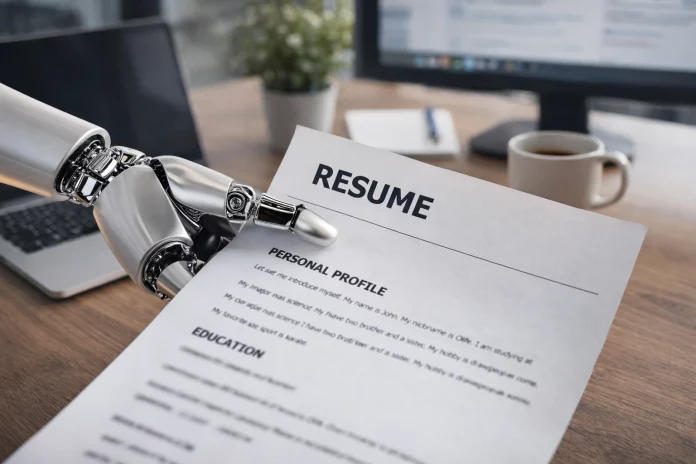
Small and mid-sized businesses (SMBs) are currently winning the artificial intelligence AI adoption race. However, they could be doing so at a dangerous cost. Specifically, a new report reveals that 73% of SMB HR professionals now use AI for recruiting and onboarding. Yet, most of these teams are operating without any formal policies, security checks, or governance.
SMB HR AI: The Governance Gap
In practice, HR teams are often pasting sensitive data into consumer-grade AI tools. For instance, employee records, compensation details, and performance reviews are being fed into unvetted platforms.
Consequently, organisations are exposing themselves to accidental data leaks and “prompt-injection” attacks. According to Žilvinas Girėnas of nexos.ai, many leaders don’t realise that these tools actually keep and train on the data provided. Therefore, the “Shadow AI” problem is now a major threat to personal data privacy.
A Legal Compliance Time Bomb
Furthermore, the risk is no longer just operational; it is now a legal liability. Notably, a wave of new AI hiring rules has taken effect as of January 2025 and 2026. Specifically:
Illinois & Colorado: Now require mandatory bias audits and candidate “opt-out” options.
New York City: Requires annual audits for any automated hiring tools.
The EEOC: Has clarified that employers remain liable for AI discrimination, even if a third-party vendor provided the tool. As a result, using a personal ChatGPT account to screen candidates is no longer just “scrappy,” it is potentially illegal.
Burnout and Tool Sprawl
Despite widespread adoption, 88% of HR tech leaders have yet to see real business value from their AI investments. Instead, the “tool sprawl” is actually increasing recruiter burnout.
In fact, burnout rates in HR have hit 68%. Because each new tool adds more logins and tabs, recruiters are spending more time context-switching than actually hiring. Rather than reducing stress, the current ad-hoc approach is creating a vicious cycle of exhaustion and risk.
The Growth Hub Verdict: Action Required
Ultimately, the shift to skills-based hiring in 2026 requires more than just a resume summariser. Instead, SMBs need shared, well-governed workflows that protect data while reducing “clicks.” In short, HR leaders should not wait for a perfect policy. Rather, they must act now to audit current usage and restrict sensitive data from unapproved tools.