How a Midlands manufacturer lost a £1.2m deal by ignoring internal decision-makers.
Deal Profile
Prospect: Regional Automotive Components Supplier (Midlands)
Deal Value: £1.2 million (Annual Contract Value)
Opportunity: Enterprise Resource Planning (ERP) System Overhaul
Verdict: Lost to a Nimbler Competitor
The Anatomy of the Loss
A leading IT consultancy entered late-stage negotiations to modernise the core management software for an established automotive parts supplier. On paper, the solution was superior. The sales team had secured verbal backing from the Chief Operating Officer (COO) early in the cycle.
However, as the deal approached final sign-off in June, momentum halted. The procurement team requested additional evaluation cycles, and by late July, the prospect awarded the contract to a local competitor.
A Post-Mortem Revealed Three Critical Failures in the Sales Approach
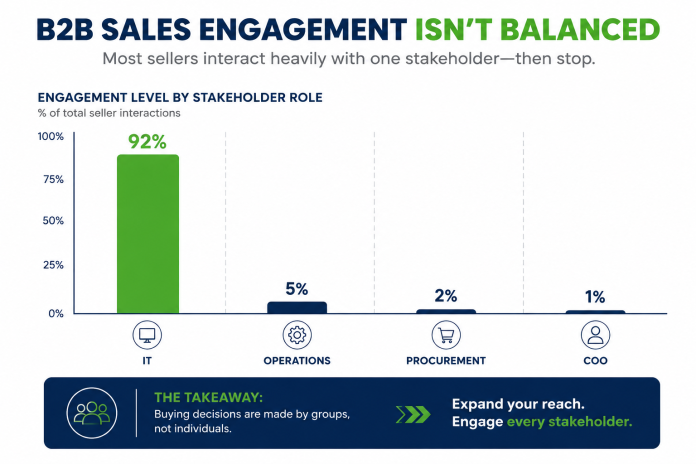
Over-Reliance on a Single Sponsor: The sales team focused almost exclusively on the COO. Consequently, they failed to engage the IT Operations Director and Head of Supply Chain, who both harboured deep reservations regarding implementation downtime.
Failure to Map the Procurement Process: While the executive sponsor favoured the proposal, the vendor did not account for the prospect’s formal multi-stakeholder purchasing committee. Therefore, when the COO took annual leave in August, no internal champion remained to push the contract through legal review.
Inflexible Engagement Channels: The vendor insisted on formal, face-to-face steering group meetings to resolve outstanding technical queries. Because key stakeholders were working on hybrid or summer schedules, scheduling delays pushed the decision into the next quarter, allowing a competitor with asynchronous digital sign-off tools to step in.
Key Takeaways for B2B Sales Teams
Build Multi-Threaded Relationships: Never rely on a single executive sponsor. Always map and nurture secondary influencers across IT, operations, and procurement early in the sales cycle.
Enable Asynchronous Decision-Making: Provide digital buying rooms, short video walkthroughs, and clear implementation roadmaps. Giving stakeholders tools to review proposals on their own timelines prevents deals from stalling during holiday periods.
Identify Procurement Gatekeepers Early: Confirm approval workflows and legal sign-off criteria before reaching the closing stage. Understanding internal purchasing protocols prevents unexpected delays at the line.