Dear Growth Guru,
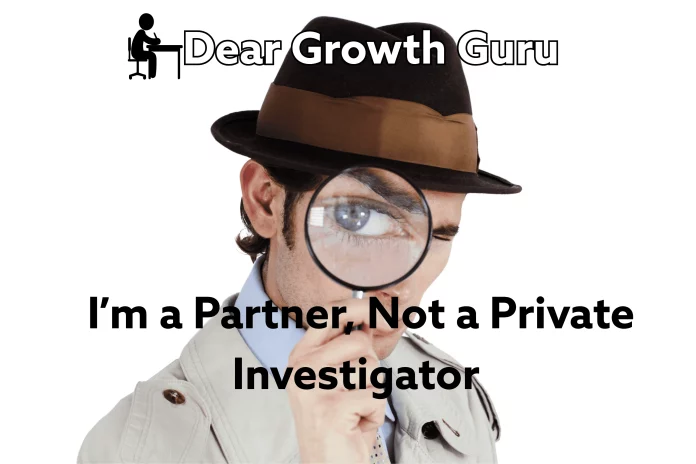
I’ve spent 15 years building a reputation in Corporate Law. My clients value my counsel, but my firm’s new “Growth Directive” requires me to act like a data analyst. I’m being told to use Legal “Market Intelligence” tools to identify triggers for M&A before they happen: stalking LinkedIn shifts and patent filings. It feels undignified and, frankly, like a waste of billable hours. Why can’t I just rely on my network anymore?
Briefed-out in Bristol
Dear Briefed-out
Let’s address the “dignity” issue first. You aren’t suffering from a loss of status; you’re suffering from Information Asymmetry. In 2010, your network was your moat. You played golf, you shared a malt, and you were the first to hear about a potential divestment.
But, in 2026, your network is just a noisy room where everyone already has the same data. If you’re waiting for a client to call you with a problem, you’re already too late: your competitor’s AI tool flagged that client’s “distress signals” three weeks ago. Relying solely on your “black book” isn’t traditional; it’s negligent.
The Fix: Move from Reactive to Predictive Stop viewing Legal Market Intelligence as “investigation” and start viewing it as Strategic Advocacy. Your clients don’t just pay you for your knowledge of the law; they pay you for your judgment. Using data to spot a vulnerability in a client’s cap table or a shift in their sector’s regulatory landscape isn’t “stalking,” it’s high-level protection.
The Strategy: Pick three Legal “Intelligence Triggers” (e.g., C-suite turnover, specific patent expirations, or regulatory shifts in the Insurance Growth Agenda). When the tool flags one, you aren’t “pitching,” you are providing a proactive “Risk Briefing.” You move from being a “Service Provider” to a “Strategic Sentinel.”
The Bottom Line: Your network gets you in the room, but Market Intelligence tells you what to say when you get there. In a world of “Big Data,” the “Big Secret” is that the most successful Partners aren’t the ones with the most contacts; they are the ones with the most context.
Stop archiving the relationship and start anticipating the need. If you don’t use the tools to find the work, the work will find someone who does. Your “edge” as a Partner isn’t your history; it’s your foresight.